A monthly look at astronomical events in the sky and on Earth
Compiled by Steve Sawyer
Hi, wishing you all a Happy Christmas from York Astro! We hope you all have a great time over the festive season and here’s looking forward to a great New Year for stargazing.
Hopefully that means plenty of warm clear nights! (which is very unlikely but you can hope!) . The nights are still drawing in as I write this (the end of November). The winter constellations are starting to be prominent . So I’ll cover these in the deep sky section of this month’s guide.
Just for some fun, all the images in this month’s What’s up have been generated by AI. Specifically Stable Diffusion 1.5 running locally on my laptop.
So what’s on this month?
A quick summary of what’s happening or is going to take place this next month.
| Date | Time | Description |
| 2nd | 00:57 | Jupiter 2.5°N of the Moon |
| 4th – 20th | Geminid shower | Geminid meteor shower (details below) |
| 5th | 17:59 | Uranus 0.7°S of the Moon |
| 8th | 04:08 | Full Moon |
| 8th | 04:25 | Occultation of Mars |
| 8th | 05:42 | Mars at opposition (mag -1.9) |
| 12th | 00:28 | Moon at apogee |
| 14th – 15th | Geminid meteor shower at max | |
| 16th | 08:56 | Last quarter Moon |
| 17th-26th | Ursid meteor shower | |
| 21st | 21:48 | Northern winter solstice |
| 22-23 | Ursid meteor shower at max | |
| 23rd | 10:17 | New Moon |
| 24th | 08;27 | Moon at perigee |
| 24th | 11:28 | Venus 3.8°N of the Moon |
| 24th | 12:00 | Santa |
| 25th | 2pm | Turkey |
| 28th | 20:03 | Neptune 3.0° of the Moon |
| 30th | 01:20 | First Quarter |
Onto this month’s viewing.
Decembers Objects
The Sun
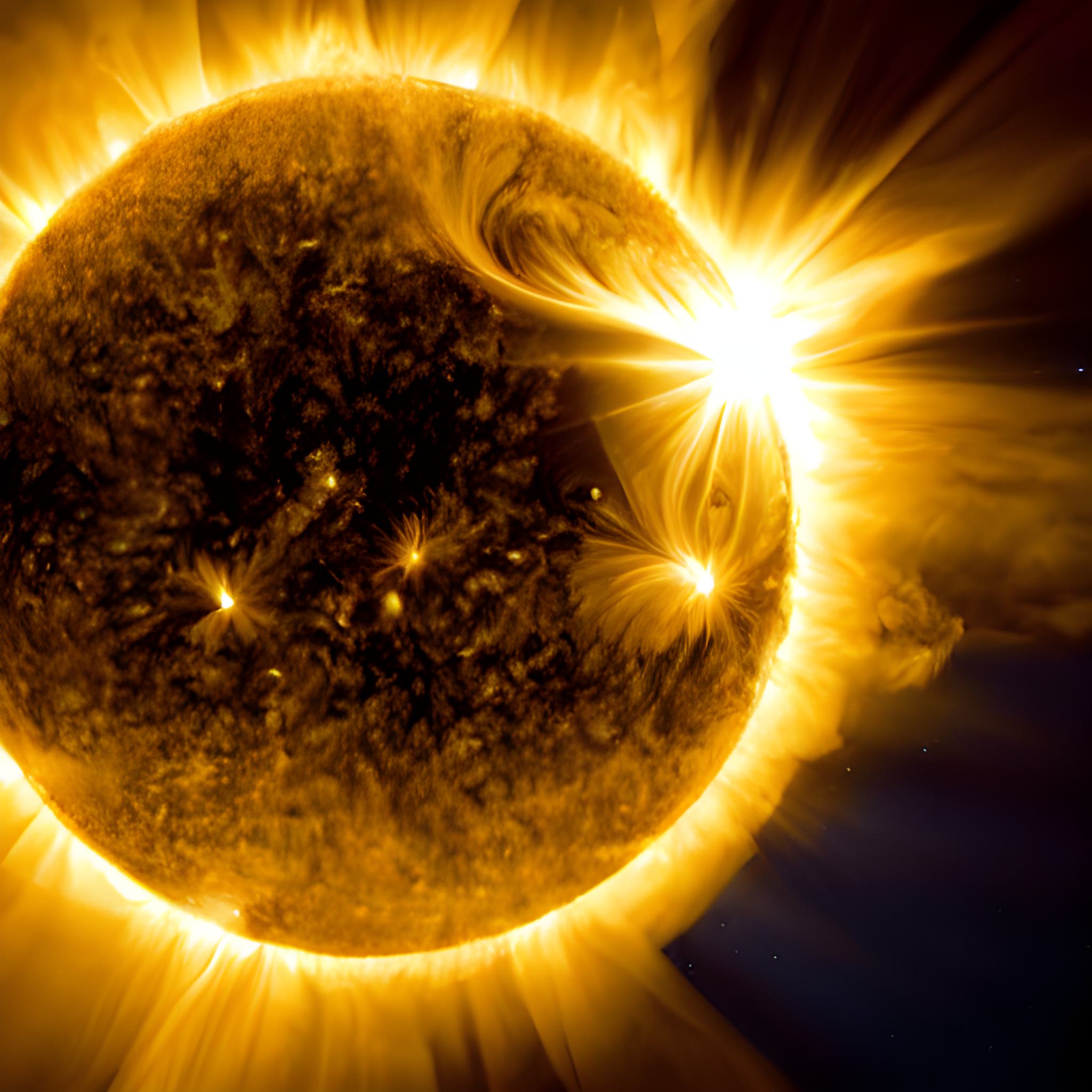
The sun is currently quite active with the current sunspot number being 61 and a number of recent CME events that have caused geomagnetic storms with visible aurorae at high latitudes .
For more info on the sun and solar weather look here : –
https://www.swpc.noaa.gov/communities/space-weather-enthusiasts
Intermittent geomagnetic storms are currently occurring with an ongoing chance of Aurora at high latitudes.
The Moon
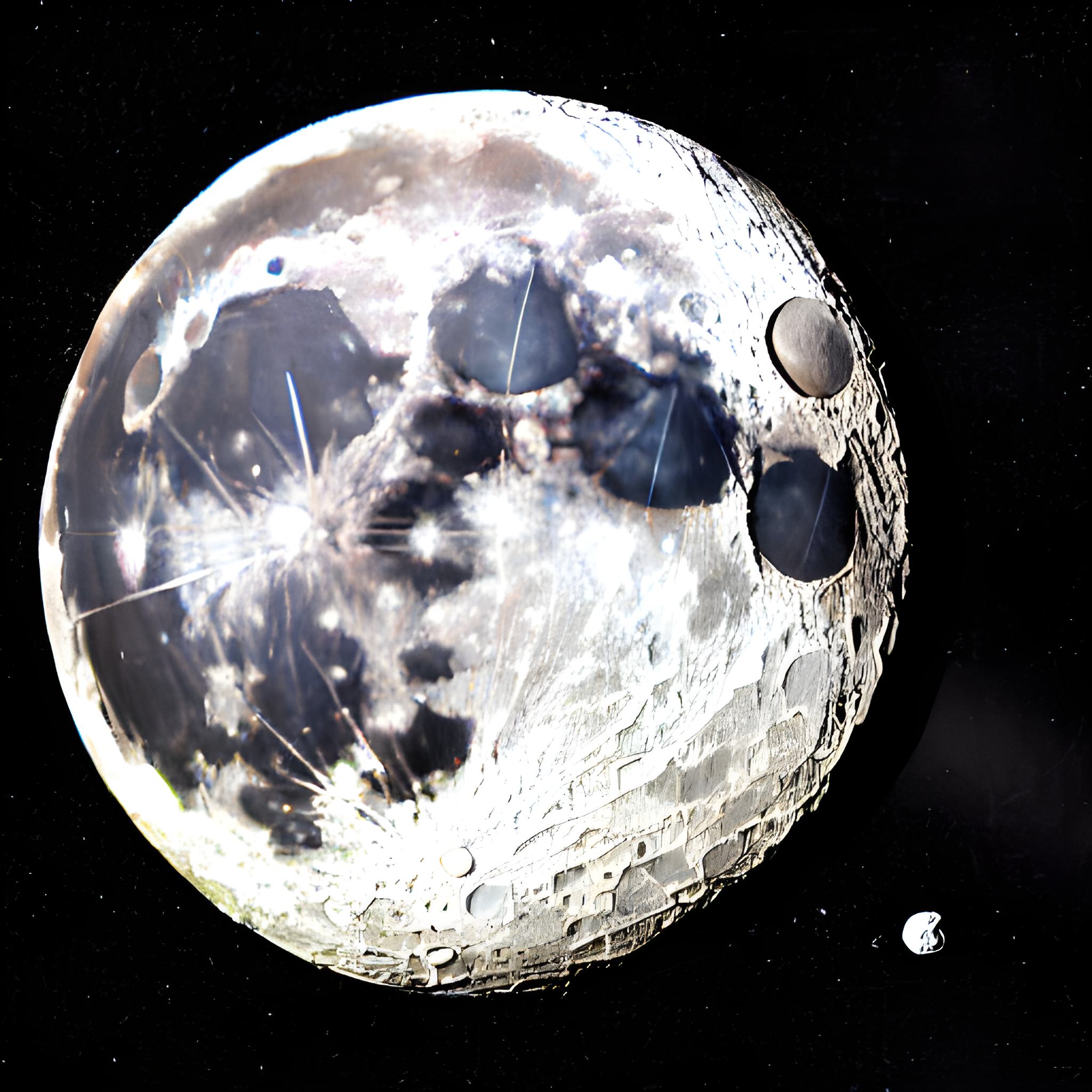
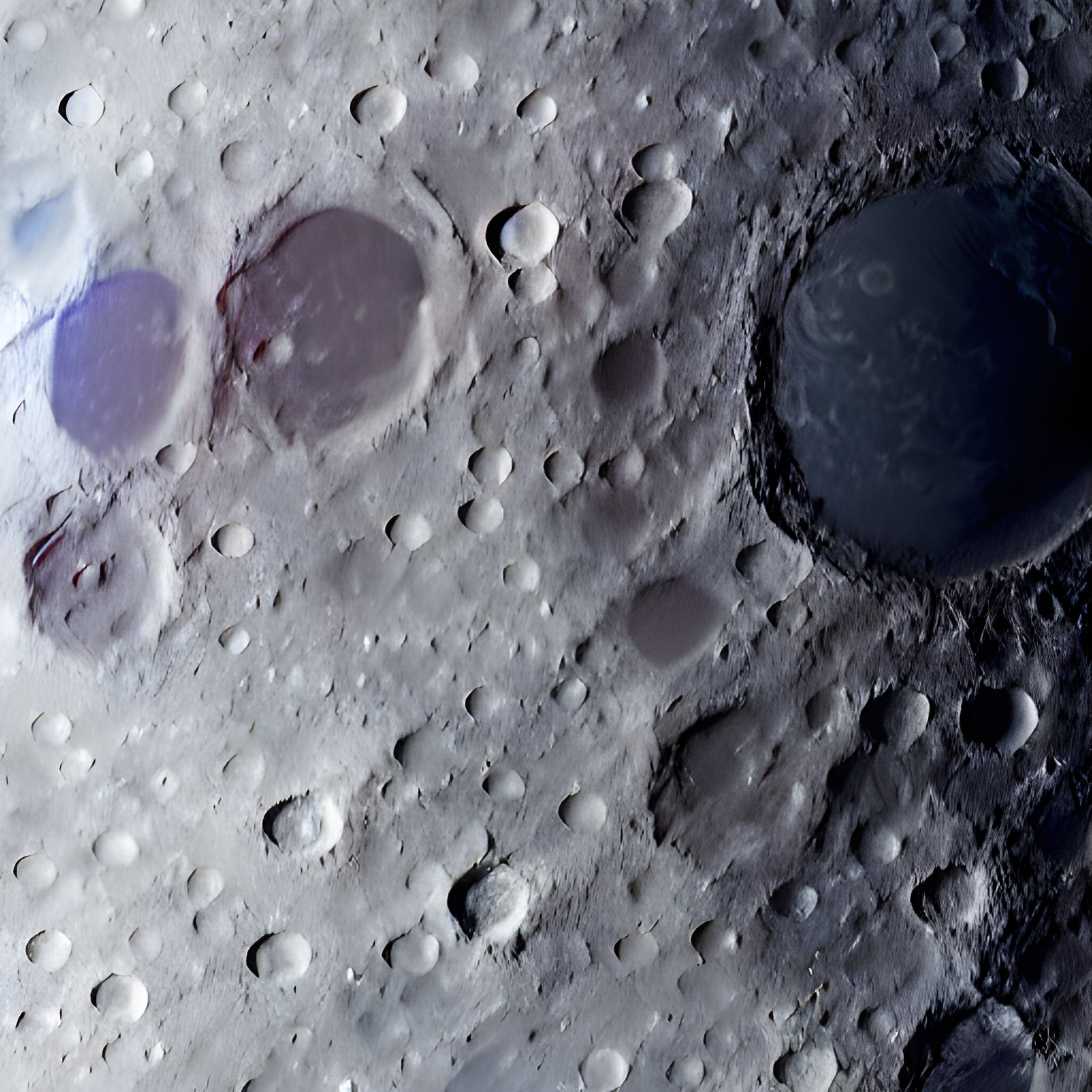
Some nice AI generated details. Is it time to retire Sletsvana I wonder 🙂
December’s full Moon is called the Cold Moon. The Old English and Anglo-Saxon names are the Moon Before Yule or the Long Night Moon
There’s plenty of interest in the moon this month with the occultation of both Mars and Uranus occurring on the 8th and the 5th respectively.
A full lunar calendar can be found here :-
https://www.mooninfo.org/moon-phases/2022.html
The Planets
Mercury
Not easily viewable at the beginning of the month being lost in the morning twilight and being very low setting half an hour after sunset. Becomes an evening object late in the month. setting 80-90 minutes after sunset.
Venus
A bright evening object at the end of the month, but very low in the sky setting just after sunset.
Mars
Mars is a great object to view this month. Sky at Night mag has a detailed guide of the lunar occultation and observing tips. At its closest to Earth and shining at mag -1.9 the planet travels through Tarus during the month.
Jupiter
Visible all month at mag -26 tp -2.4 and an easily viewable target for both scopes and binoculars, this is a great month to view Jupiter.
Saturn
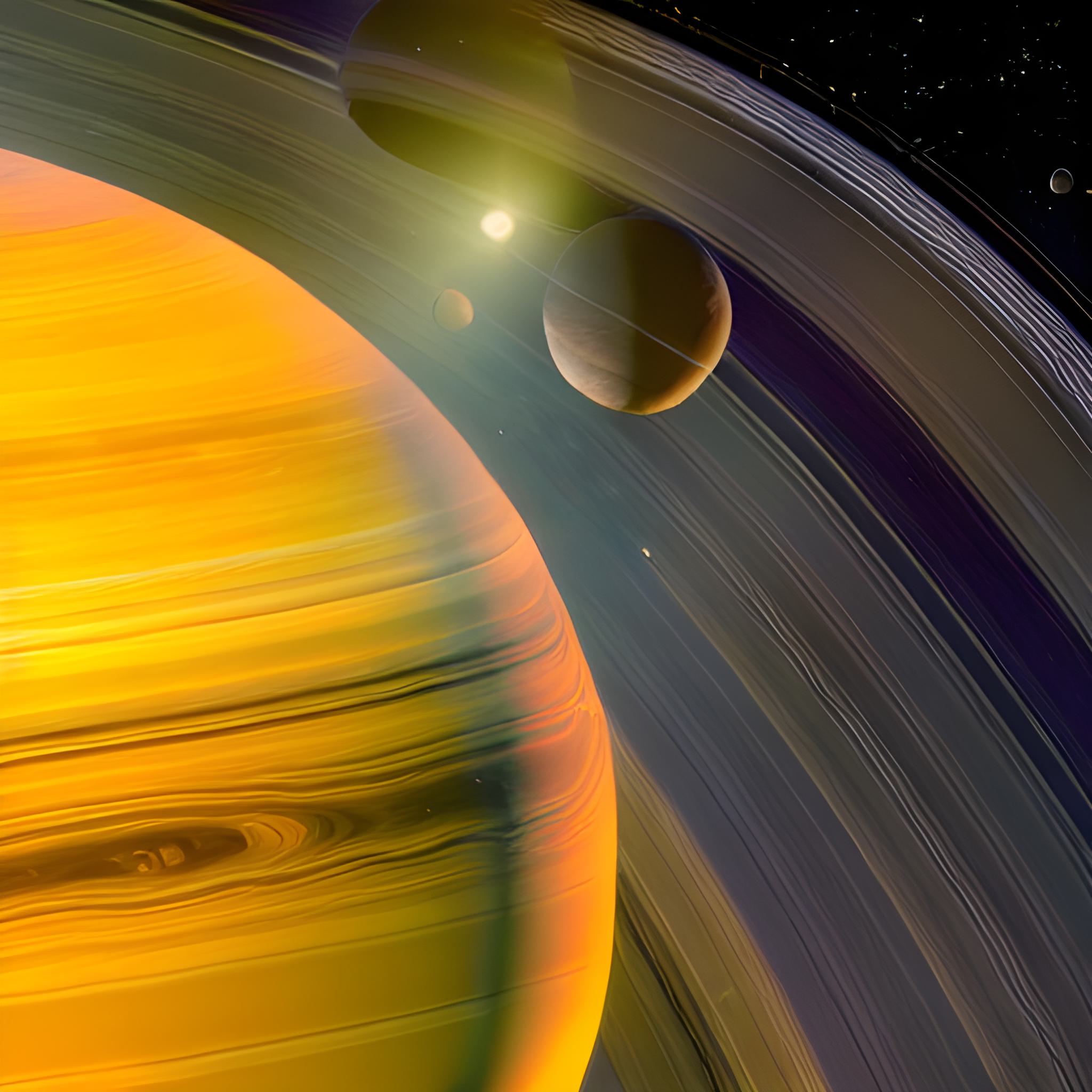
Not a bad pic, but the AI can’t seem to get the rings in the right position!
Easily visible in the southern early night sky at mag +0.8 moving lower in the sky over the month before not being visible.
Uranus
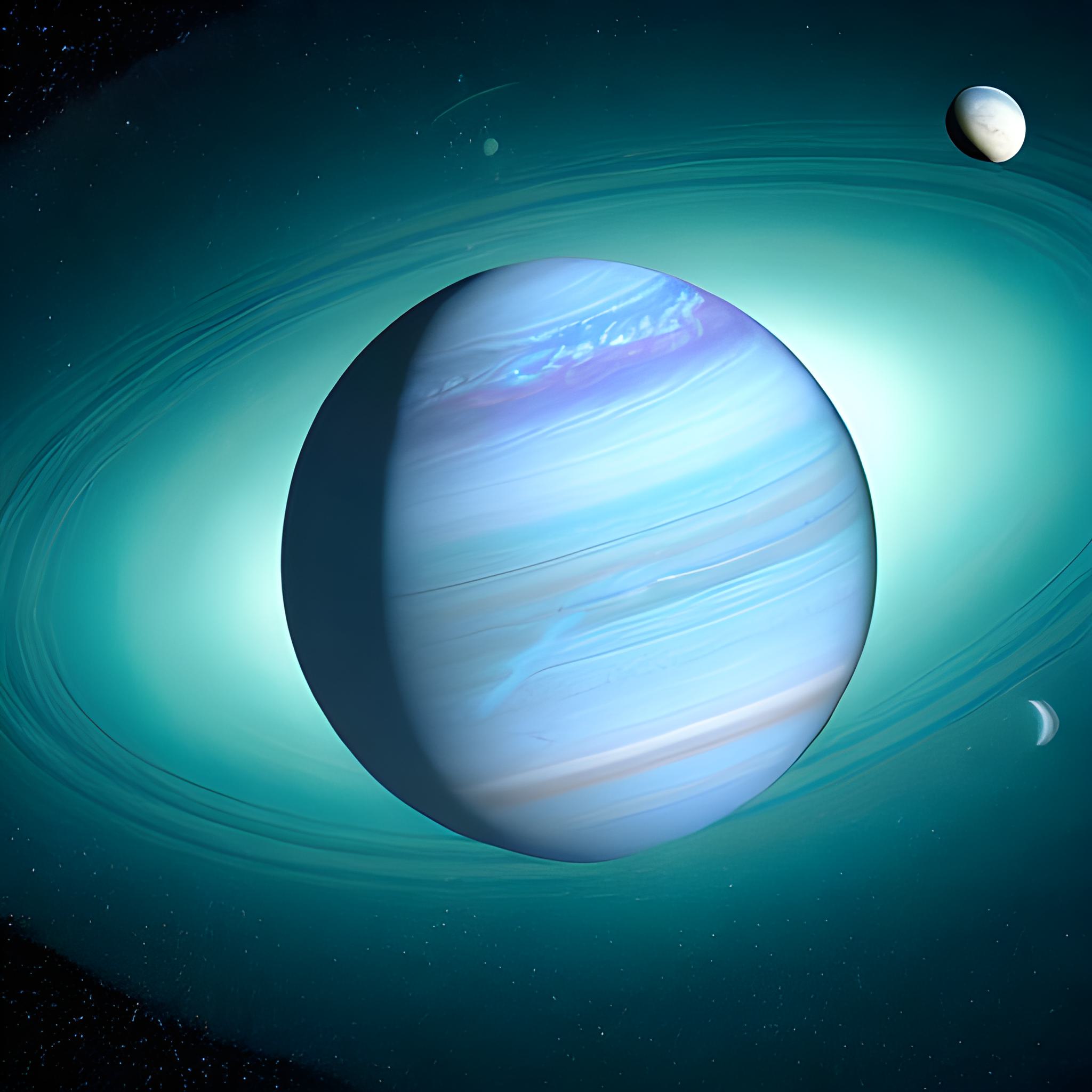
Located in Aries at mag +5.7 Uranus is occulted by the moon on the 5th December disappearing behind the moon at 16;51 and reappearing at 17:17. Should be an interesting sight in most telescopes. And a good candidate for imaging too.
Meteor Showers
Another AI image. A bit HG Well’s like I think. Watch out for Martians!
There a 2 showers to view this month
The Geminids
The last major meteor shower of the year is visible from the 4th-20th December with the peak being on the 14th-15th. The Moon is waning gibbous during the peak so the conditions are not the best. This is one of the most active meteor showers of the year with a peak of around 100 meteors per hour (dark site). It’s also a shower that has good activity before midnight makes it attractive to families and early risers!.
The Ursids
Active from the 17-26th December peaking on the 22-23rd with a rate of around 5-10 meteors per hour with the odd rise to 25. The peak occurs at the time of the New Moon so conditions are favourable. The parent body for this shower is Comet 8p/Tuttle.
Comets
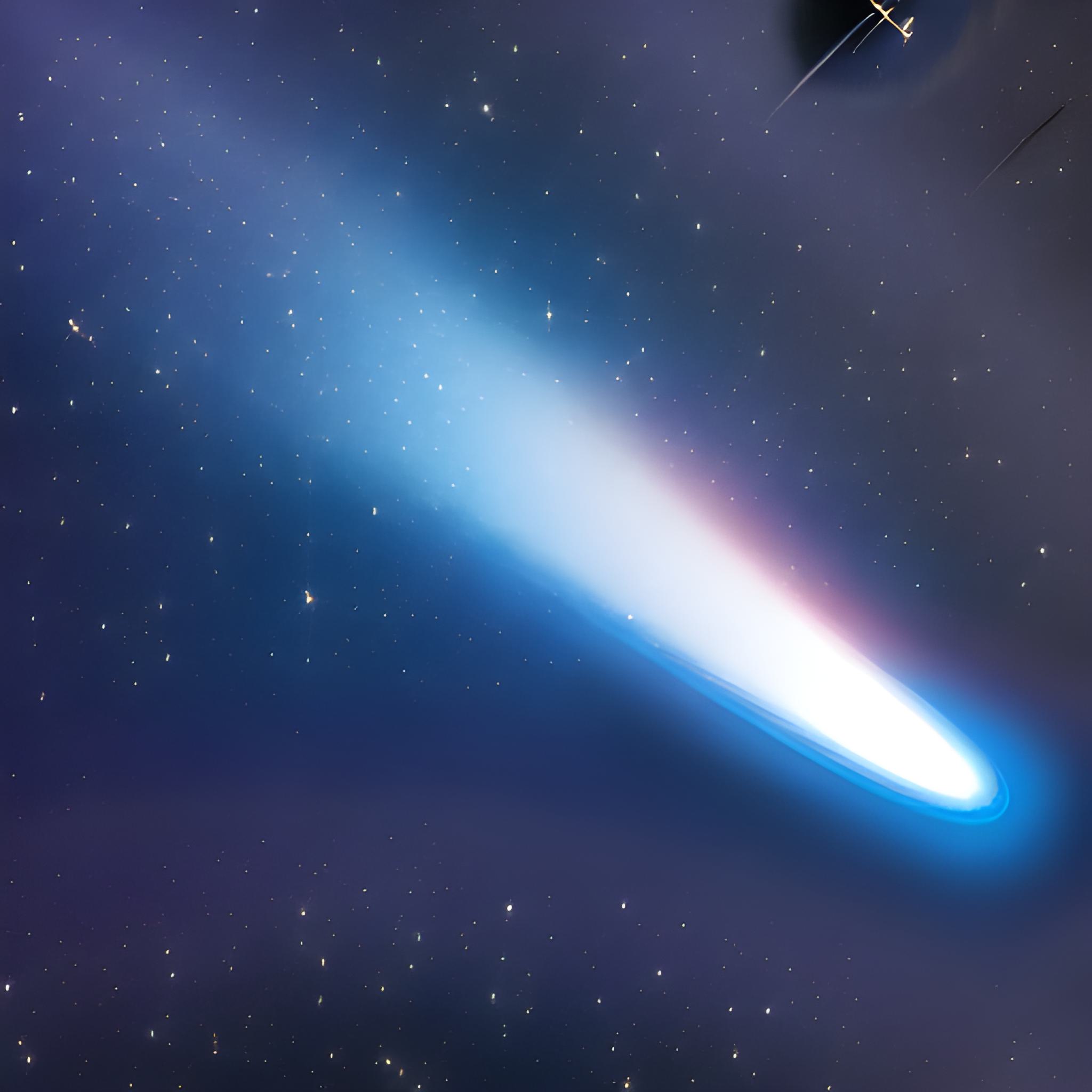
Sourced from Visual Comets in the Future (Northern Hemisphere) (aerith.net)
| Evening | mag | Midnight | mag | Morning | ||
| 2022
Dec |
C/2022 E3 (ZTF) | 9 | C/2020 V2 (ZTF) | 10 | C/2022 E3 (ZTF) | 9 |
| C/2022 P1 (NEOWISE) | 10 | 118P/Shoemaker- Levy 4 | 11 | C/2020 V2 (ZTF) | 10 | |
| C/2020 V2 (ZTF) | 10 | C/2021 Y1 (ATLAS) | 12 | 118P/Shoemaker- Levy 4 | 11 | |
| C/2020 K1 (PanSTARRS) | 12 | 29P/Schwassmann- Wachmann 1 | 12 | 81P/Wild 2 | 11 | |
| C/2021 Y1 (ATLAS) | 12 | C/2019 L3 (ATLAS) | 11 | |||
| 73P/Schwassmann- Wachmann 3 | 13 |
Deep Sky Objects (DSOs)
Lot’s of galaxies to image or fuzzy grey blobs for visual observers. There’s a really good guide here
https://www.galactic-hunter.com/post/winter-the-15-best-astrophotography-targets
With accompanying YouTube videos too
This month is a great time to explore the winter Milky Way and take in some of the sights.
All of these are worth a look at but don’t forget to have a peek at the old favourites Orion and Pleiades especially if you’re lucky and have a crisp and clear night.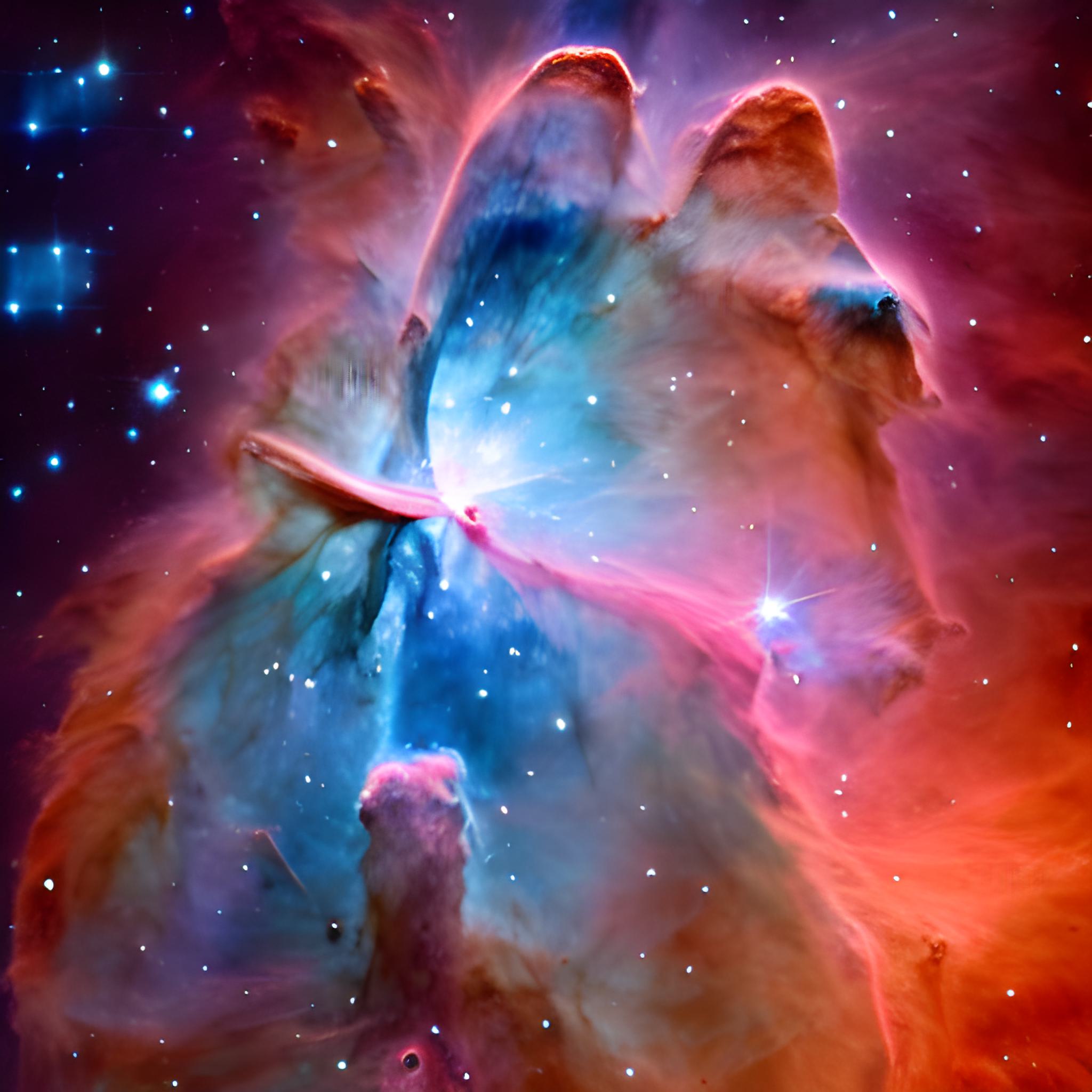
This is NOT the James Webb version but an AI interpretation
One of my favourite images is of the pillars of creation in the Orion Nebula. The latest version by the James Webb telescope is stunning.
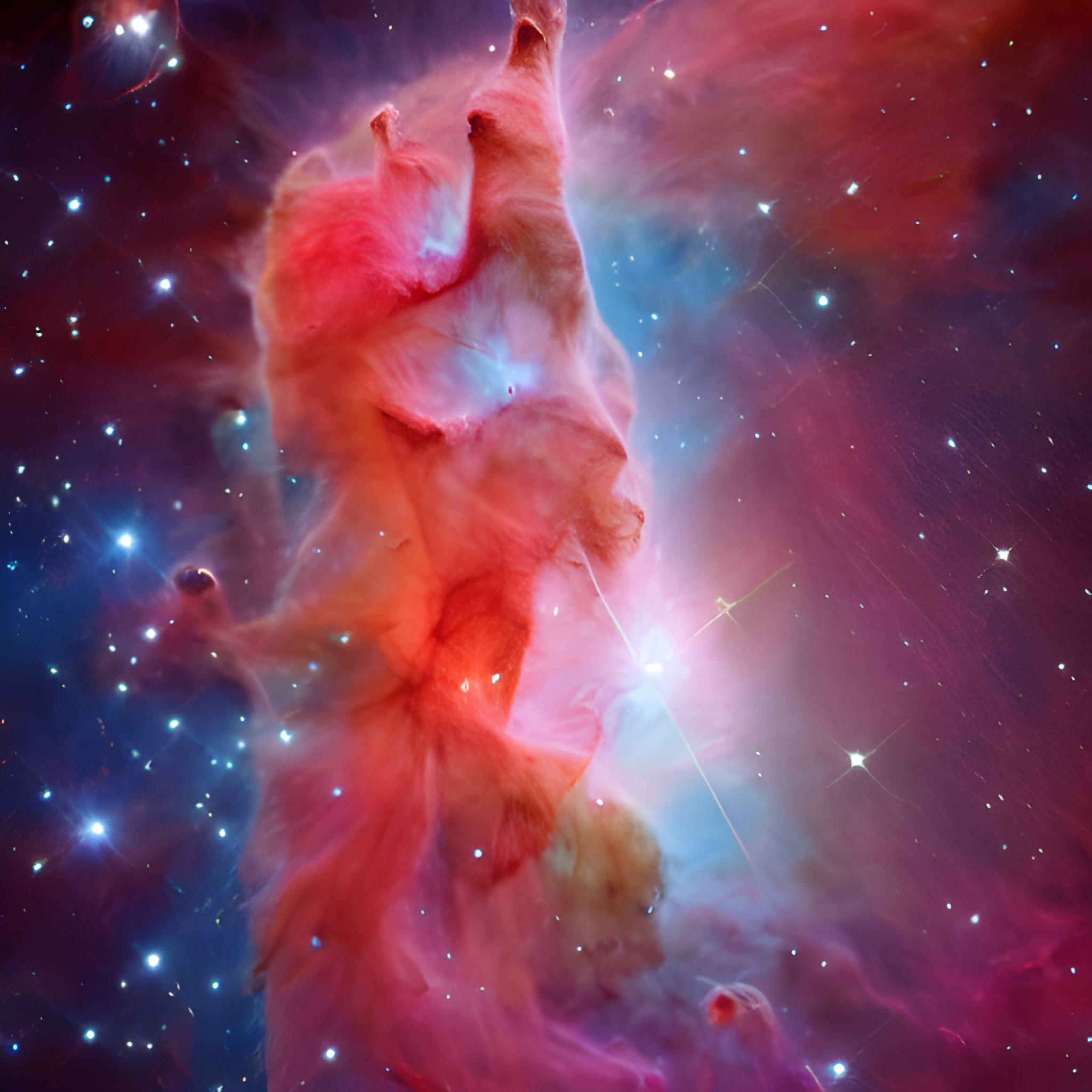
As is this. Who needs to spend 10 billion USD 🙂
These are best seen during the first ten days of this month or after the 20th when the Moon isn’t around to lighten the background sky. The best targets remain those listed in the November What’s Up. However, there are scores of other objects to have a go at, mostly sprinkled along the Milky Way, which at this time of year arches right across the sky from ESE to WSW The two charts below show all DSOs of magnitude 6.0 or brighter, the first being the whole sky and the second a 100° span centred on the zenith. They are both taken from SkyViewCafe.com and correct for the 9th of the month. For a clickable list of Messier objects with images, use the Wikipedia link. To look up NGC objects, the best way is to enter NGC<object number> into Wikipedia.
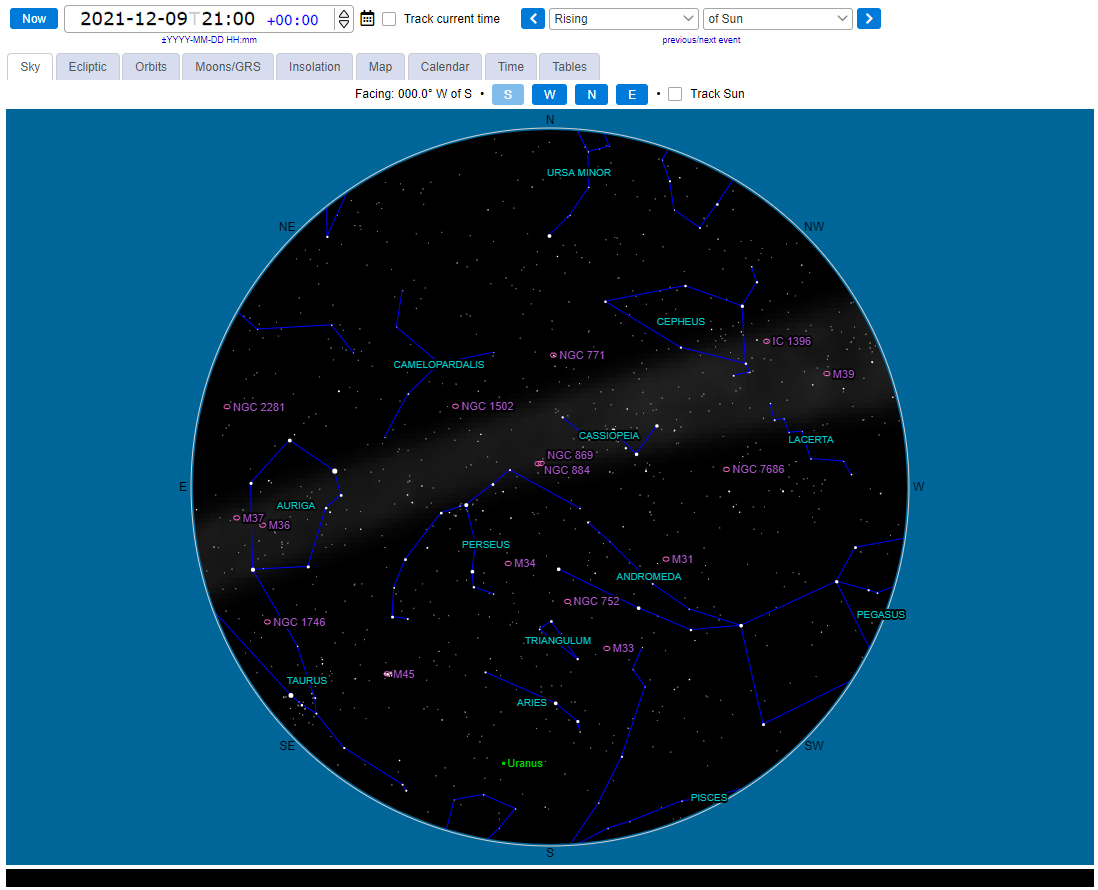
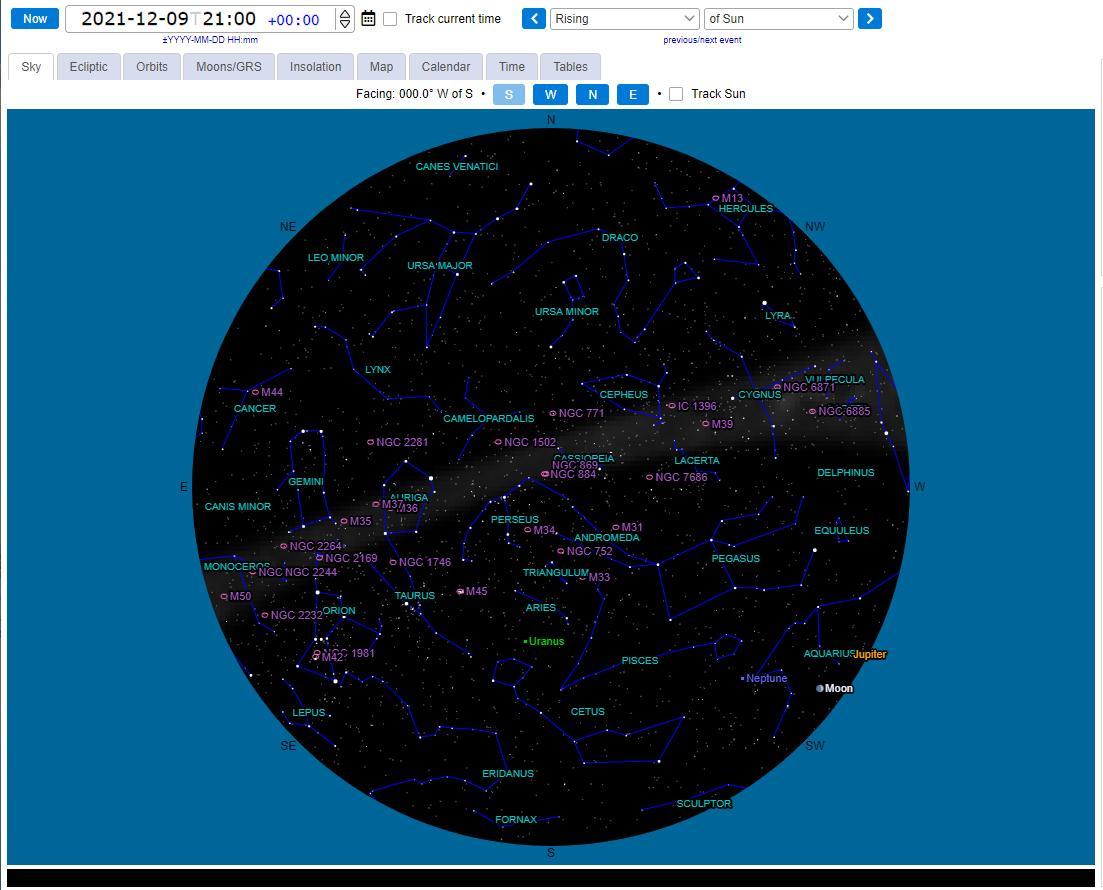
Finally, all the DSOs featured on the chart above are magnitude 6.0 or brighter, which means they should be easily seen even with the most modest telescope, and in many cases, binoculars. Here’s a quick summary of the best objects to go for. (Size in arcminutes.)
| Object | Type | Size / Mag. | Notes |
| M39 | Open cluster | 29 / 5.5 | Very loose. Use binoculars. |
| M31 | Galaxy | 190 / 3.5 | “The Andromeda Nebula” |
| M33 | Galaxy | 60 / 5.7 | “The Triangulum Galaxy” |
| NGC752 | Open cluster | 75 / 5.7 | “Caldwell 28” |
| M34 | Open cluster | 35 / 5.5 | Very loose. Use binoculars. |
| M45 | Open cluster | 110 / 1.6 | “The Pleiades”. Wonderful |
| NGC884/869 | Twin open clusters | 60 / 3.7 & 3.8 | “The double cluster”. Superb |
Man’s Space Activities
Spotting the International Space Station
The following ISS sightings are possible.
Ref: Spot the Station website (York, UK)
Useful Resources
http://www.n3kl.org/sun/noaa.html
http://skymaps.com/downloads.html
http://www.seasky.org/astronomy/astronomy-calendar-2022.html
https://www.rmg.co.uk/stories/topics/what-are-names-full-moons-throughout-yearhttp://www.deepskywatch.com/deepsky-guide.html
Top 10 Winter Sky Targets for Skywatchers | Space
and of course the sky at night magazine!